OSINT
Don't Let Dropshippers Play the Patriotism Card
How to spot overseas dropshipping operations disguised as local small businesses — and why emotional marketing isn't a substitute for transparency.
Lately I’ve been seeing more and more ads from so-called “small businesses” claiming they’re shutting down due to tariffs, trade wars, or pandemic-related struggles. They tug at your heartstrings, hoping your patriotism — and your wallet — will kick in.
But here’s the truth: many of these ads are from overseas dropshipping operations disguised as local mom-and-pop shops.
Take “Marlene’s Pet Shop” as an example. Their ad claims they’re a small business based in Montreal, closing down due to rising costs.
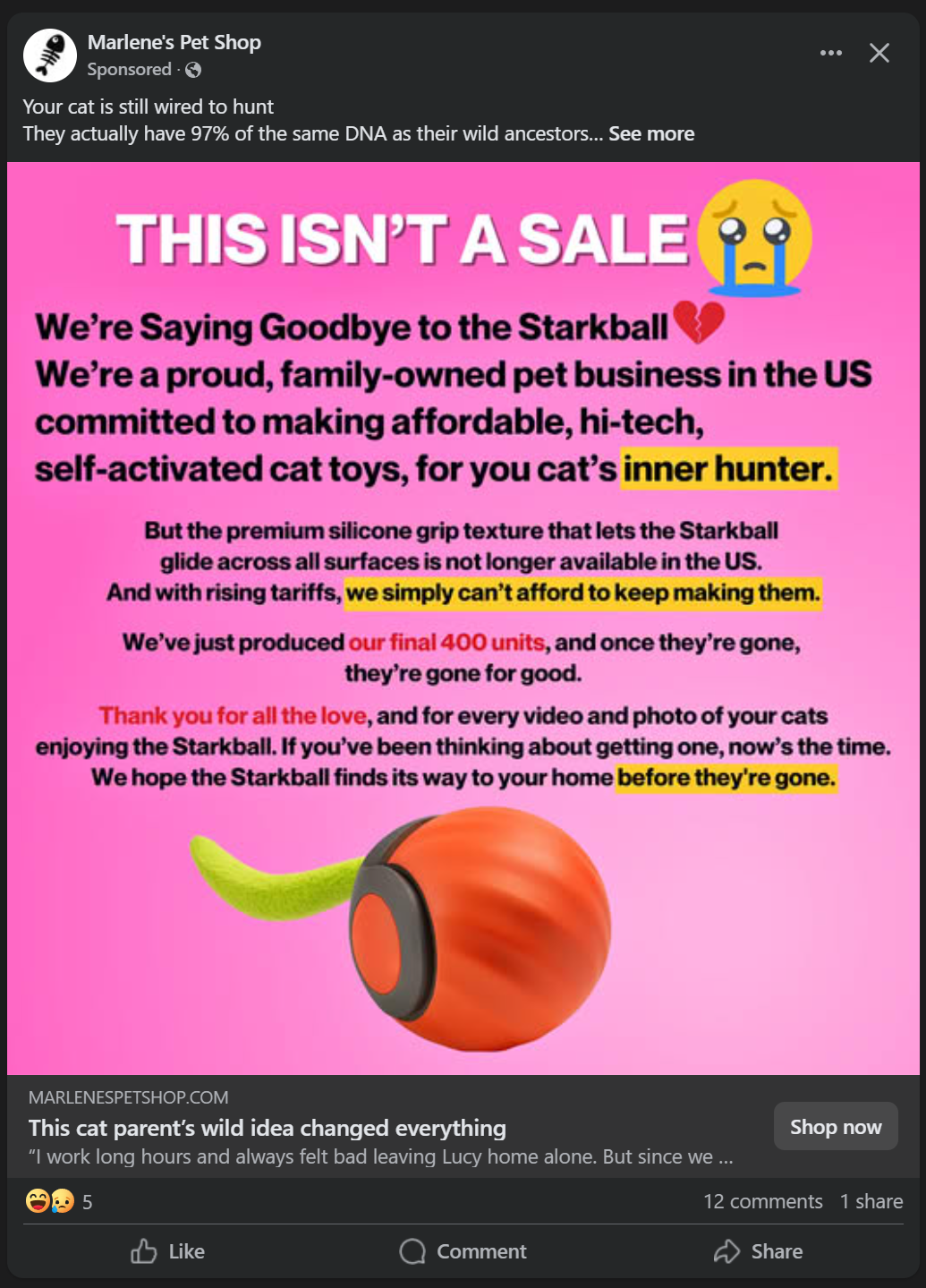
The emotional ad — “This isn’t a sale. We’re saying goodbye.”
A few minutes of OSINT tells a different story:
❌ Reverse image search shows the “storefront” photo has been used by multiple unrelated shops.
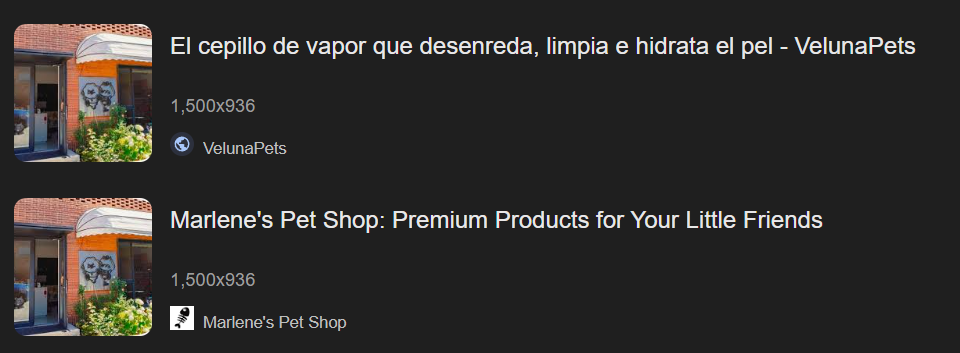
The same storefront image — used by at least two other brands.
❌ Their Facebook Page Transparency tab shows the page is managed from Hong Kong and the Philippines.
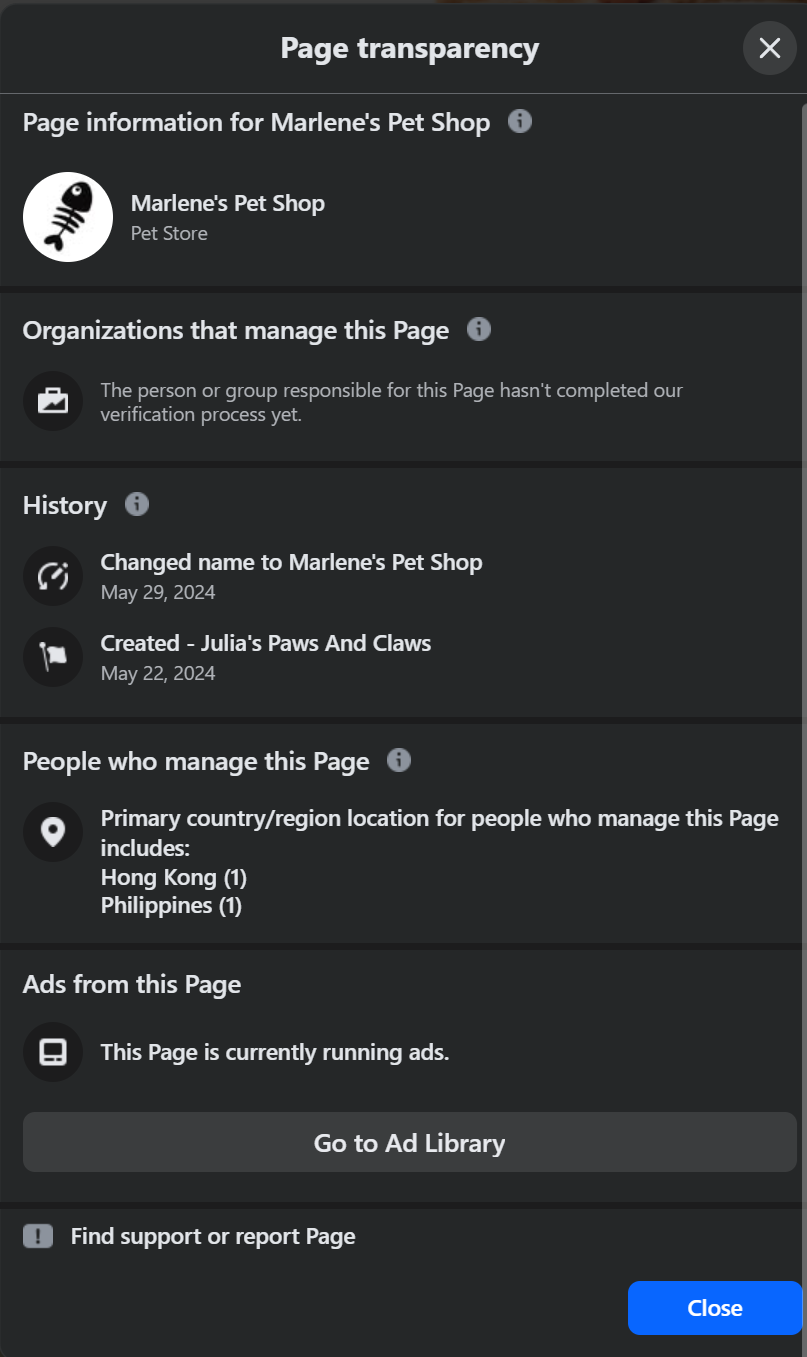
Page Transparency — not exactly Montreal.
❌ Customer reviews are filled with complaints about slow shipping from China.
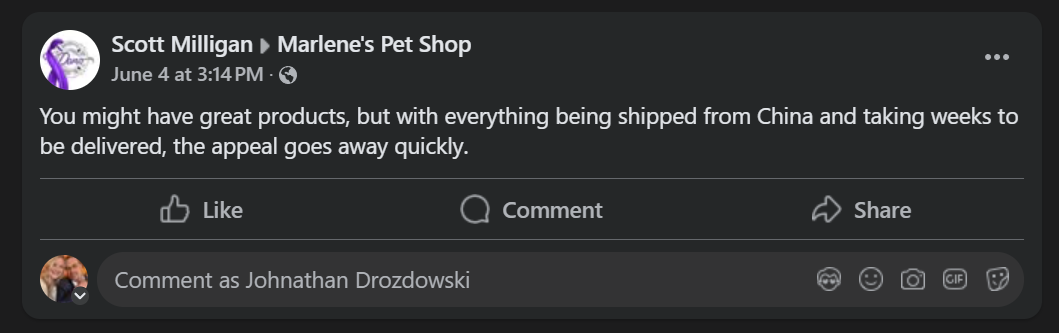
Reviews tell a different story than the ad.
This isn’t just one case — it’s a pattern. These companies use emotional marketing to appear local while selling low-cost products sourced from Temu or AliExpress, shipped directly from overseas via Shopify storefronts.
Before you hit “Buy Now”
The OSINT playbook here is straightforward and takes under five minutes:
✅ Check the Facebook Page Transparency tab — click the three dots on any Facebook page and look at “Page Transparency.” It will show you where the page admins are located and when the page was created.
✅ Look up the website’s domain registration (WHOIS) — a “Canadian small business” registered its domain last month through a Hong Kong registrar is a signal worth noting.
✅ Search for reviews outside their own site — Trustpilot, Reddit, and Google Reviews are harder to fabricate than the testimonials on a Shopify landing page.
✅ Reverse image search their photos — drag any product or storefront photo into Google Images or TinEye. If the same image appears on a dozen different storefronts under different brand names, you have your answer.
Supporting small businesses is important. Just make sure your support is going to real ones.
Stay sharp out there.